Guiding Lights of Wales: Coastlines, Legends, and Safe Passage
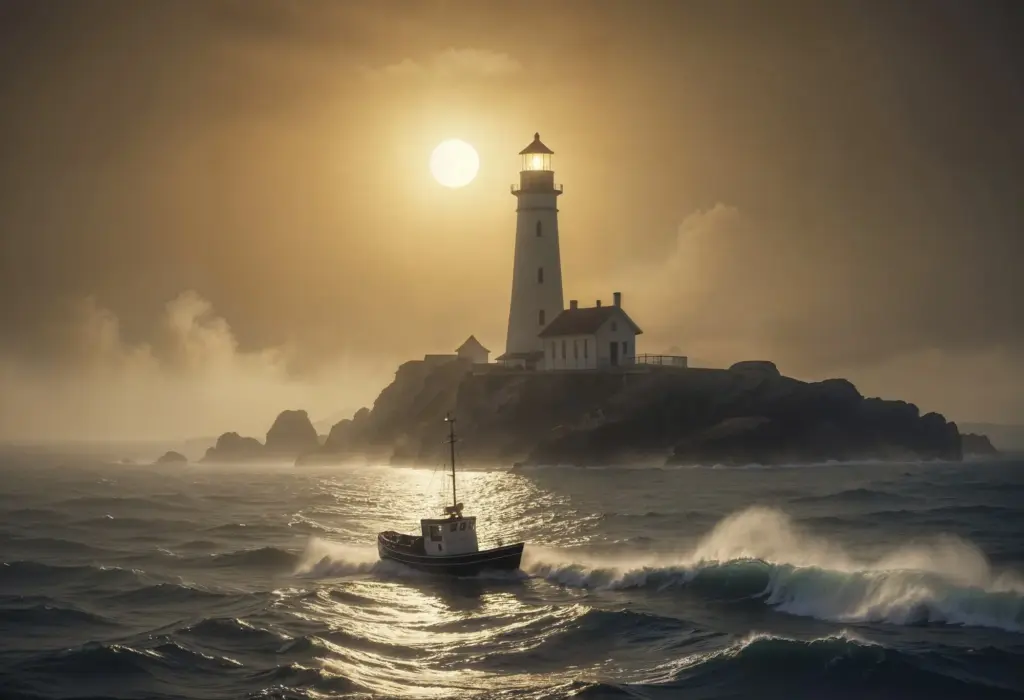
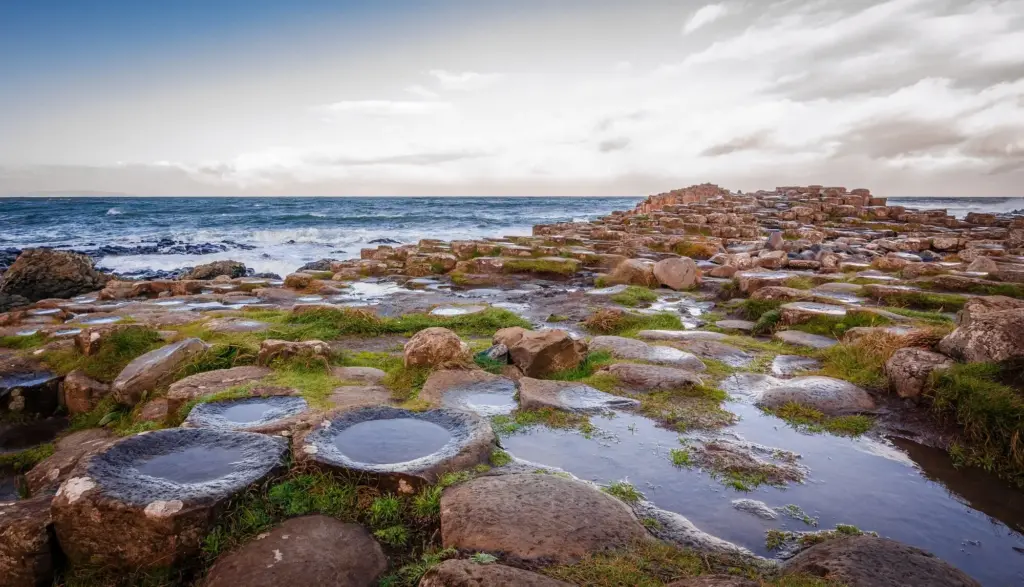
Join us as we explore Historic Lighthouses and Maritime Landmarks Across Wales, tracing how stoic towers and steadfast signals shaped journeys along rugged headlands and quiet estuaries. From Anglesey to the Bristol Channel, discover engineering triumphs, keeper life, shipwreck lore, and community memories that still flicker brightly. Share your stories, tips, and photos in the comments, and subscribe to follow new coastal walks, seasonal visiting advice, and behind-the-scenes insight into these enduring guardians of the shoreline.

Where Sea Meets Stone: How the Coast Shaped the Beacons

The Welsh coastline is a restless geometry of cliffs, skerries, sandbanks, and swift tides, where the Irish Sea, Celtic Sea, and Bristol Channel collide. Lighthouses rose not by accident but by necessity, marking tidal races, fog-prone hollows, and deceptive inlets. Navigation evolved alongside geology: as storms carved arches and currents re-arranged shoals, mariners depended on familiar light signatures, horns, and daymarks. Understanding each tower begins with the ground beneath it, the waters beside it, and the sky that often disappears into grey.

Lives Kept Afloat: Keepers, Signals, and Daily Routines

Before full automation, keepers choreographed relentless cycles of polishing brass, trimming wicks, winding clockworks, and logging weather. Isolation pressed in, yet camaraderie formed across signal lines and supply boats. Families adapted to cliff paths, low-ceilinged cottages, and sudden midnight alarms. Even now, volunteers and heritage groups keep memory alive, interpreting foghorns, tending exhibits, and honoring meticulous routines that safeguarded strangers. These human rhythms infused stone towers and iron lantern rooms with warmth, discipline, and quiet courage.

Climbing toward South Stack’s lantern in all weathers

At South Stack near Holyhead, visitors descend and climb hundreds of steps that once bracketed a keeper’s working day. Imagine oil cans bumping softly, wind clawing at your collar, and the lens awaiting meticulous attention. Storm spray and seabird cries became a daily soundtrack while distant ship lights winked reassurance. The labor was repetitive but essential, and every polished prism meant sharper guidance. Today, the ascent doubles as time travel, rewarding effort with Atlantic horizons and hard-earned perspective.

Echoes of the Nash Point foghorn and community memory

Nash Point is famous for a foghorn whose voice once rolled across cliffs like a patient bellows. Decommissioned for duty but demonstrated by volunteers, its sound compresses decades of vigilance into a resonant moment. People gather, cover their ears, and grin with startled delight, sensing how invisible ships depended on this compass of sound. The ritual stitches past to present, proving heritage thrives when communities activate memory, share practical knowledge, and keep sea safety tangible for new generations.

Built to Endure: Engineering, Optics, and Material Ingenuity

Welsh lighthouses embody practical artistry. Masonry towers bite into bedrock; cast-iron shells shrug off sand-laden winds; lantern rooms cradle glass that magnifies hope. Fresnel optics condensed brilliance into precise signatures recognized from miles away, while clockwork rotation created steady rhythms for anxious crews. Breakwaters, daymarks, and leading lights extended the system into harbors and channels. Each fix, upgrade, and replacement reflects negotiations with corrosion, salt, and time. To last here is to learn from storms and return wiser.

Lenses, prisms, and the geometry of concentrated light

The Fresnel lens was a revolution: stacked rings that bent physics into navigational certainty. Keepers cleaned every prism before dusk, knowing a smudge could waste miles of visibility. Distinct flash patterns encoded identity, marrying optics to cartography. Later electrification and efficient lamps raised candlepower without surrendering character. Even with LEDs and remote monitoring, heritage optics remain spellbinding, reminding visitors that design can be both delicate and rugged, as beautiful as stained glass yet engineered for merciless weather.

Whitford Point’s iron tower on wavering sands

Out in the Loughor estuary, Whitford Point stands cast-iron and resolute, marooned by tides and sculpted by shifting channels. Its riveted plates and skeletal elegance narrate nineteenth-century experimentation with materials that resist brine and movement. At low tide, patterns of mud and sand accentuate its isolation, while distant dunes shimmer. The tower demonstrates how engineers adapted to ground that behaves like a living thing, building not just against storms but with a flexible understanding of change.

Holyhead Breakwater and the choreography of a safe harbor

Holyhead’s breakwater lighthouse crowns the longest breakwater in the United Kingdom, a feat that turned a lee into shelter for ferries and freighters. The structure collaborates with the land to calm seas, directing arrivals with firm, unshowy assurance. Its lantern is part of a larger choreography including beacons, buoys, and range marks. Standing at the end, you feel infrastructure become hospitality, translating calculations and quarrying into relief for crews who have ridden the Irish Sea’s unruly moods.
Storms, Wrecks, and Remarkable Rescues

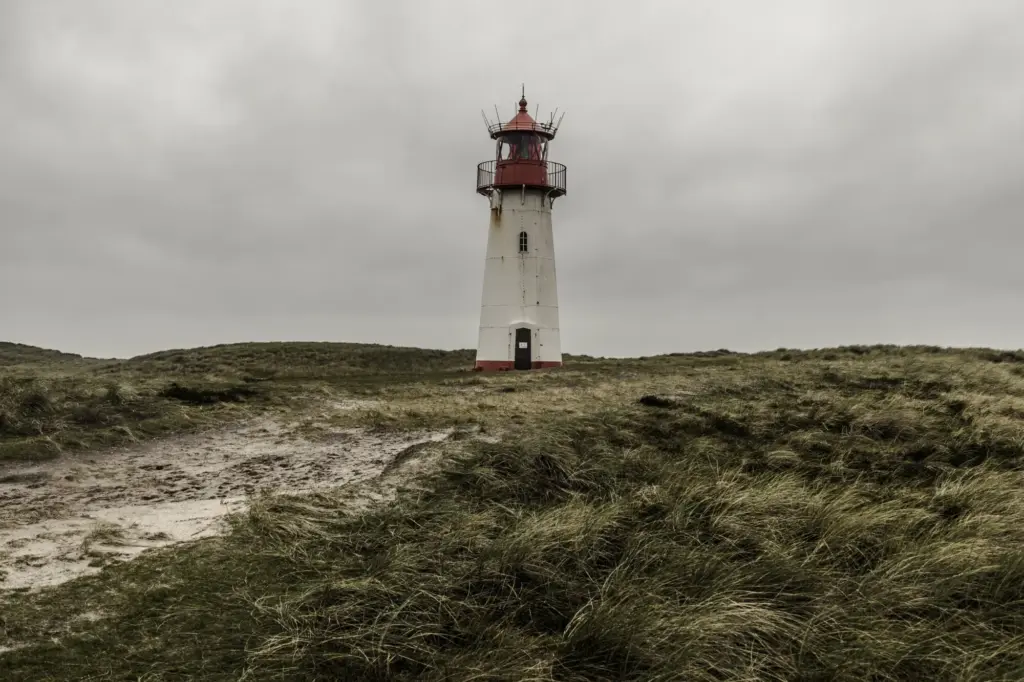
Every lighthouse carries weather in its story. Gales etch railings with salt, crack windows with thrown pebbles of foam, and teach hard lessons. Legends grow where charts once ended, yet documented rescues ground romance in discipline. Lifeboat crews knotted to shore communities respond at impossible hours, guided by beams that thread chaos with direction. Among wrecks and near-misses, improvements arose: better charts, clearer signals, and coordinated radio. Each loss, meticulously studied, helped shape safer tomorrows along these coasts.

Culture on the Coast: Art, Language, and Community Memory

These towers animate more than navigation; they shape identity. Painters chase winter light across Tŵr Mawr’s white walls, poets conjure salt-thick metaphors, and musicians fold foghorn timbres into ambient scores. Welsh place-names carry geology and history within a single breath, teaching visitors to read land and sea together. Festivals, open days, and volunteer programs braid local pride with practical stewardship. Each creative response resharpens awareness, ensuring these structures remain lived presences rather than distant silhouettes.

Plan Your Journey: Routes, Seasons, and Safety on the Shore

Exploration flourishes with preparation. Tides can isolate promontories, winds shift quickly, and car parks fill at golden hour. Check local forecasts, tide tables, and access notes, especially for causeways and estuaries. Spring and autumn migrations add wildlife magic, while winter storms amplify drama for hardy walkers. Respect closures for maintenance or nesting birds, bring layers and headlamps, and keep a margin for the unexpected. Treat each lighthouse visit as a conversation with weather, time, and terrain.

After automation: cottages, livelihoods, and new custodians

When keepers left, silence arrived, and then creativity. Cottages became holiday stays, small museums, writers’ retreats, and research bases. Each new use must balance income with authenticity, comfort with conservation. Thoughtful operators limit light spill, manage footfall, and invest in community suppliers, ensuring benefits circulate locally. Visitors, in turn, gain layered experiences that go beyond a photograph: sleeping where lamps once turned, hearing wind reconsider the eaves, and becoming temporary stewards of enduring work.

Bird safety, dark skies, and citizen science on the headlands

Bardsey Bird Observatory and coastal groups track migration, ringing, and light impacts, informing gentler illumination that still supports navigation. You can help by logging sightings, dimming torches, and choosing red-filter lights at night where appropriate. Respect seasonal path diversions and nesting zones. Data collected by ordinary walkers becomes extraordinary guidance for managers, fine-tuning practices that reduce collisions and disturbance. Conservation here is participatory, practical, and deeply rewarding, aligning wonder with evidence on windswept cliff edges.

Digitizing memory and inviting your voice aboard

Archives, 3D scans, and oral-history projects are mapping lantern rooms, cataloging lenses, and preserving accents otherwise lost to time. Share your family photographs, record a short recollection, or annotate a map with access advice. Comment below with tips for tides, parking, or winter gear that actually works. Subscriptions fund field reporting and interviews with the engineers, skippers, and volunteers who keep lights relevant. Together we can carry these stories, bright and durable, into the next century.
Kavitelixaridexo
Privacy Overview

This website uses cookies so that we can provide you with the best user experience possible. Cookie information is stored in your browser and performs functions such as recognising you when you return to our website and helping our team to understand which sections of the website you find most interesting and useful.